Shopify × Melio · 2023
Paying bills, right inside the Shopify admin.
I was the design manager, leading the team of product designers who built it.
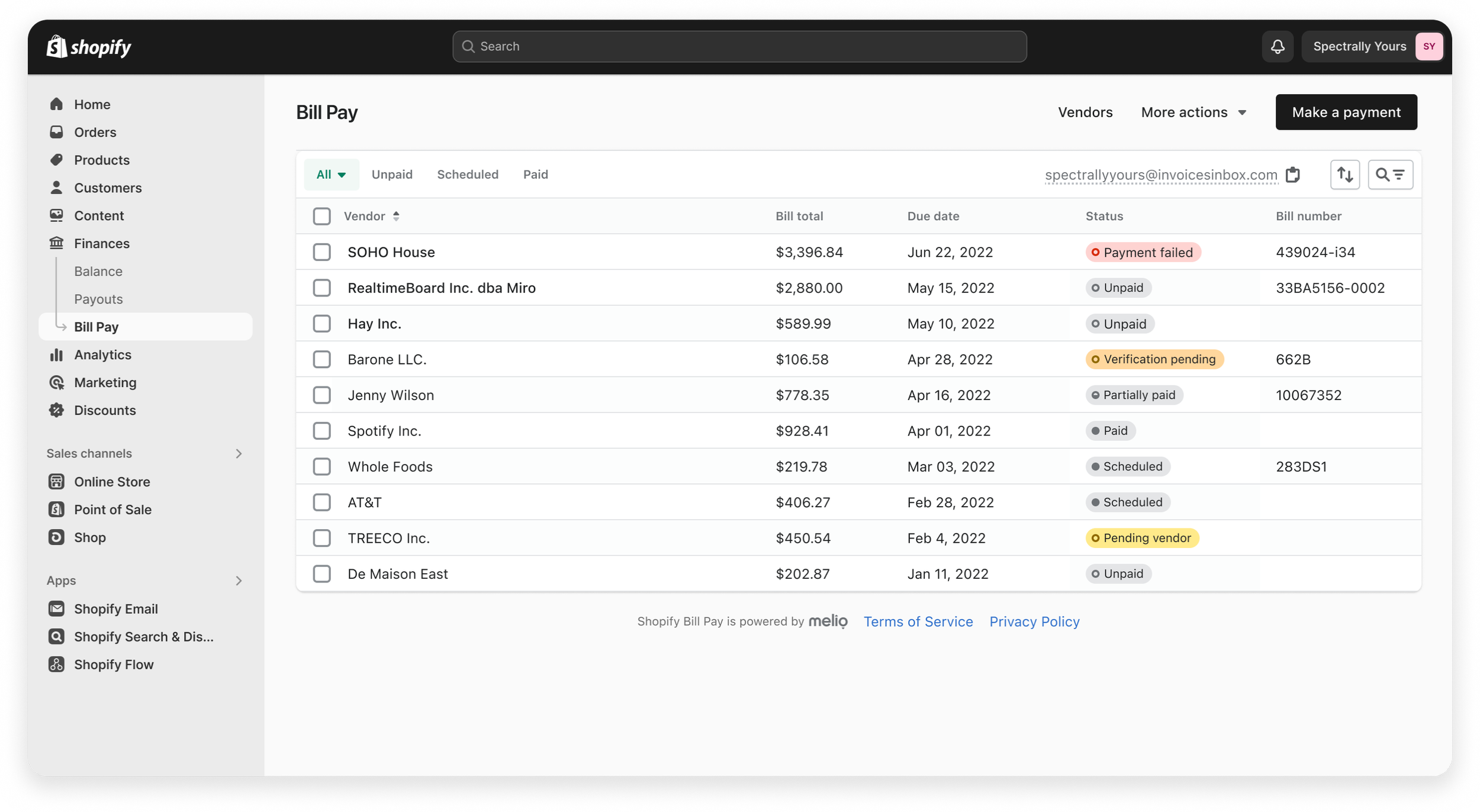
In short
Shopify Bill Pay lets merchants schedule and pay business bills without leaving their Shopify admin. Melio built it, Shopify owns the platform, and it had to feel like Shopify from the first click.
How I led
I managed the design team. I set direction, coached through 1:1s and critique, approved every handoff and kept design a step ahead of engineering. My designers presented their own work to Shopify every week.
The challenge
Build our product inside someone else's house.
Their system
Shopify's Polaris has strict rules for design, content, components and patterns.
Money on the line
Verification and failed payments had to be clear, and right, every time.
2 companies, 1 date
Owners at Melio and at Shopify, and a launch date set together.
From scratch
Melio's page-by-page wizards didn't fit Shopify's one-page patterns.
How I led
A team, 2 companies and 1 date.
How I set up the team, approved the work, held the timeline, made the hard call and kept everyone working together.
01 · The team
Pairs on each phase, so no one designed alone.
I split the team into pairs, 1 pair per phase. Pairs checked each other's work every week, and I moved between them to keep the phases consistent.
Direction, critique, approvals
02 · Approvals
3 gates before anything reached Shopify or engineering.
Work moved forward only after it passed all 3. That kept the weekly Shopify reviews about real questions, not missed basics.
- Weekly critique against our goals and Polaris
- A shared Polaris checklist for components, content and patterns
- My review of specs at handoff, and QA of builds before release
Passed
Passed
Approved
03 · The timeline
Phases, design ahead of dev, and a status every week.
I cut the scope into phases so phase 1 could ship on the date we set with Shopify. Design ran 1 to 2 sprints ahead of engineering, so no one waited on a screen. Every week I sent leadership our status and risks.
Design 1 to 2 sprints ahead · a status every week
04 · The hard call
More scope, or the date? I kept the date.
Leadership wanted more in phase 1. I made the case to keep it to what a merchant needs to pay a bill, and moved the rest to phase 2. Phase 1 shipped on the partner date, and phase 2 got the room to be tested properly.
Phase 1
OnboardingAdd a billPay a billVendorsGmail importMore ways to capture billsPhase 2
05 · Who I worked with
5 groups, each with a clear way in.
Each group knew when they'd see the work and what they owned. Shopify reviewed weekly, Melio product and engineering planned with us, compliance, risk and legal reviewed anything touching money, research and data told us what worked, and leadership got the weekly picture.
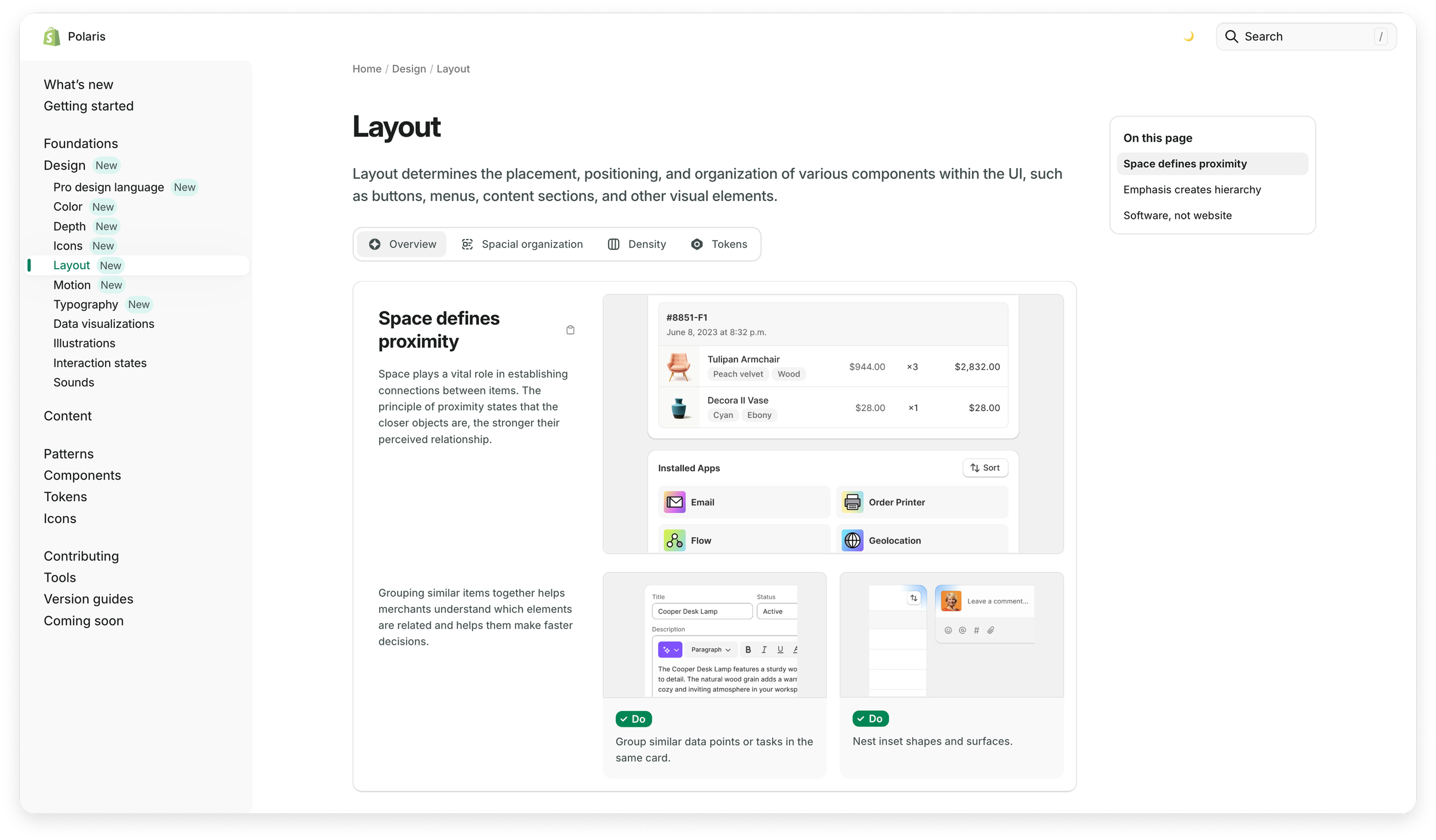
Polaris
We learned their system before drawing anything.
The team spent its first days reading and practicing Polaris, Shopify's rules for design, content, components and patterns. Then we agreed with Shopify on how we'd work.
Document every existing Melio feature we'd rebuild.
Weekly design reviews with Shopify's team.
Several rounds with stakeholders from both companies.
The work
Melio's product, in Shopify's language.
Mapping phase 1
We mapped every phase 1 flow, from install to a paid bill, and marked each change it needed to fit Shopify.
- Entry point
- Step
- Decision
- Done
- Behind the scenes
Onboarding
Add a bill
Single bill payment
Add payment method
Opened from a single bill payment
Add vendor receiving method
Opened from a single bill payment
Vendor side (unilateral)
When the vendor is asked for details
International wire
Chosen as the vendor's receiving method
Payment recovery
When processing fails
From Melio's wizard to Shopify's page
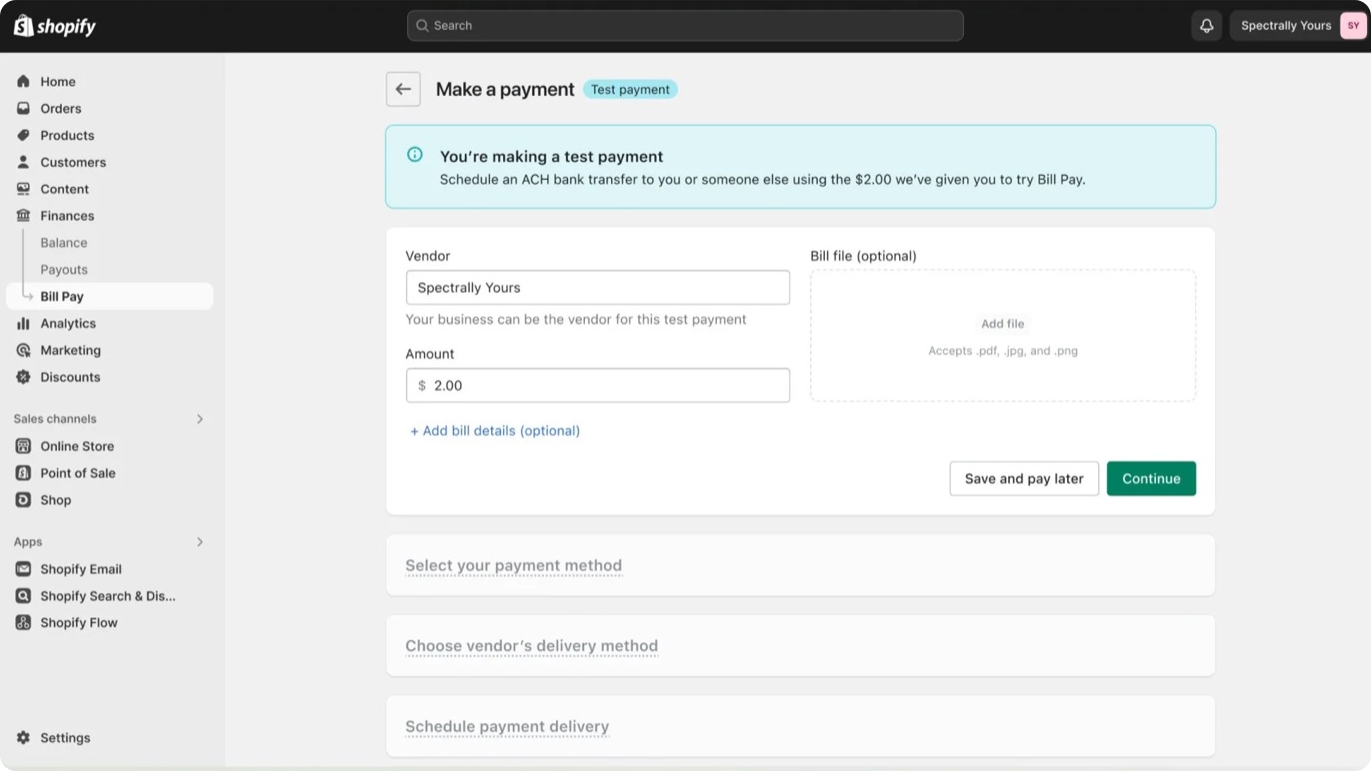
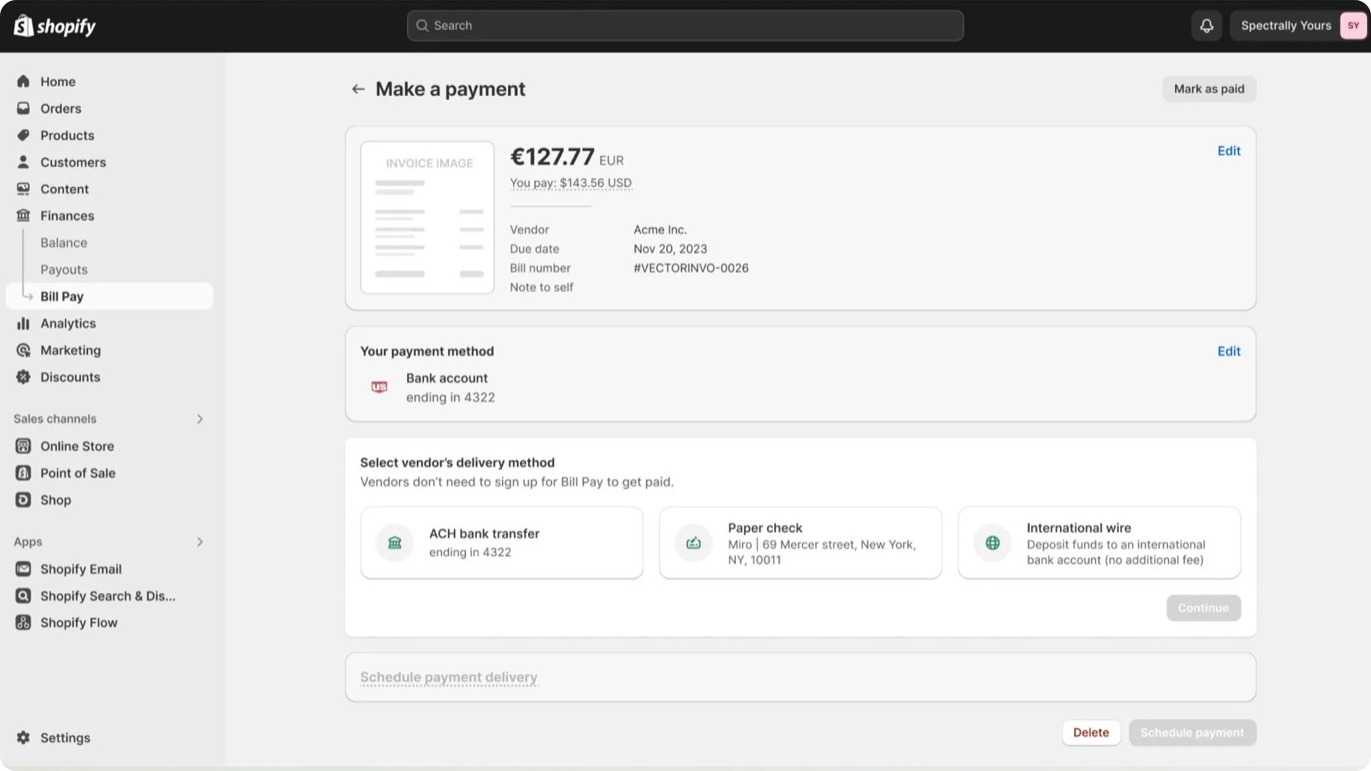
Melio paid a bill in a full-screen wizard: 1 step per screen, then the next. We kept the steps and the logic, and rebuilt the shell. In Shopify the same steps are cards on 1 page, inside the admin, so a merchant always sees what's done and what's next.
 MelioA full-screen wizard, 1 step per screen
- A full-screen modalA page inside the admin, with Shopify's nav still there
- 1 step per screenEvery step on 1 page, as stacked cards
- Back, back, back to fix a stepEdit on any finished card
- Melio's own componentsPolaris cards, fields, banners and buttons
The shipped flow
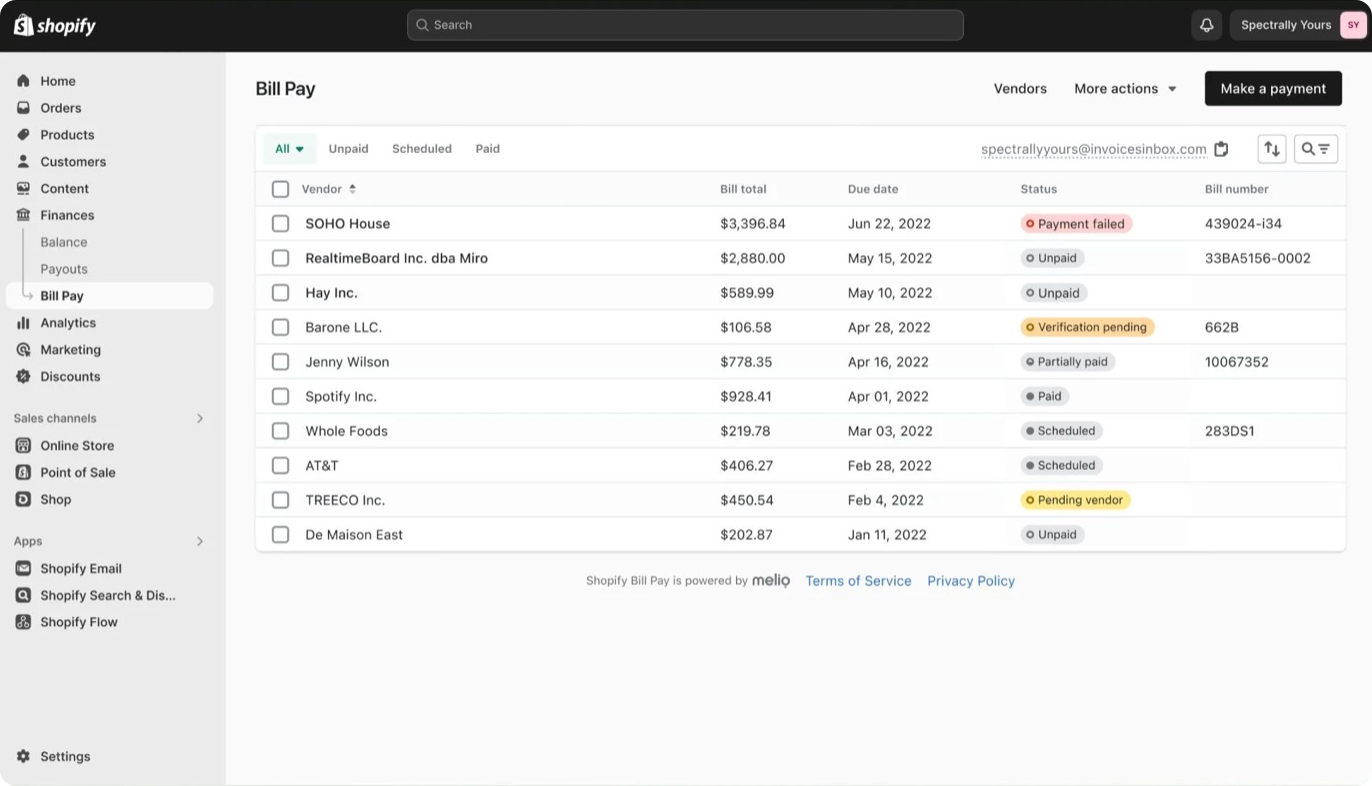
In Polaris, with real data: the same steps, on 1 page, like the rest of the admin. Merchants already know how it works.
When money is on the line
Every bill has a state a merchant can trust. We designed verification and failed payments with compliance, risk and legal, so merchants always know what happened and what to do next.
Onboarding
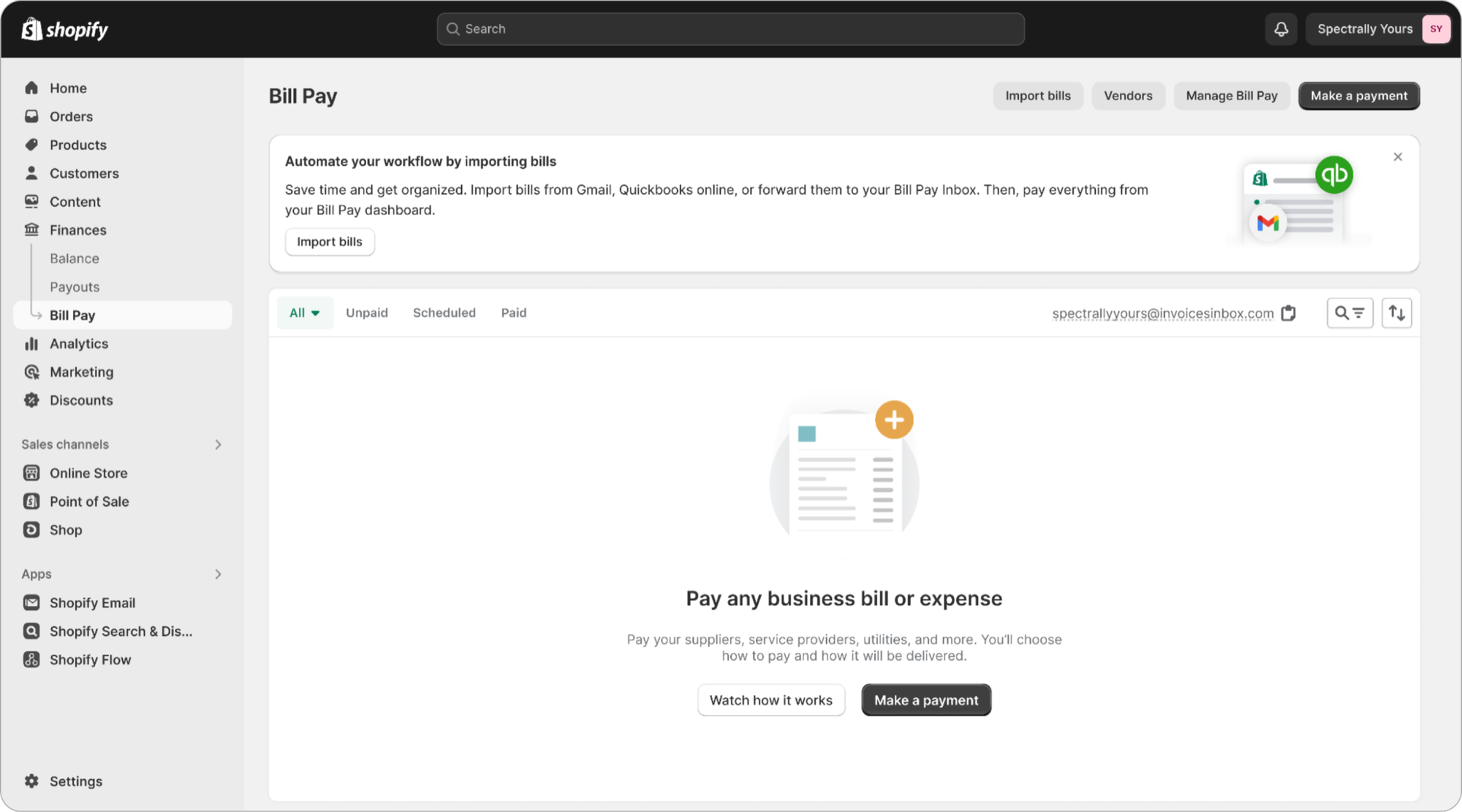
Testing the first screen merchants see.
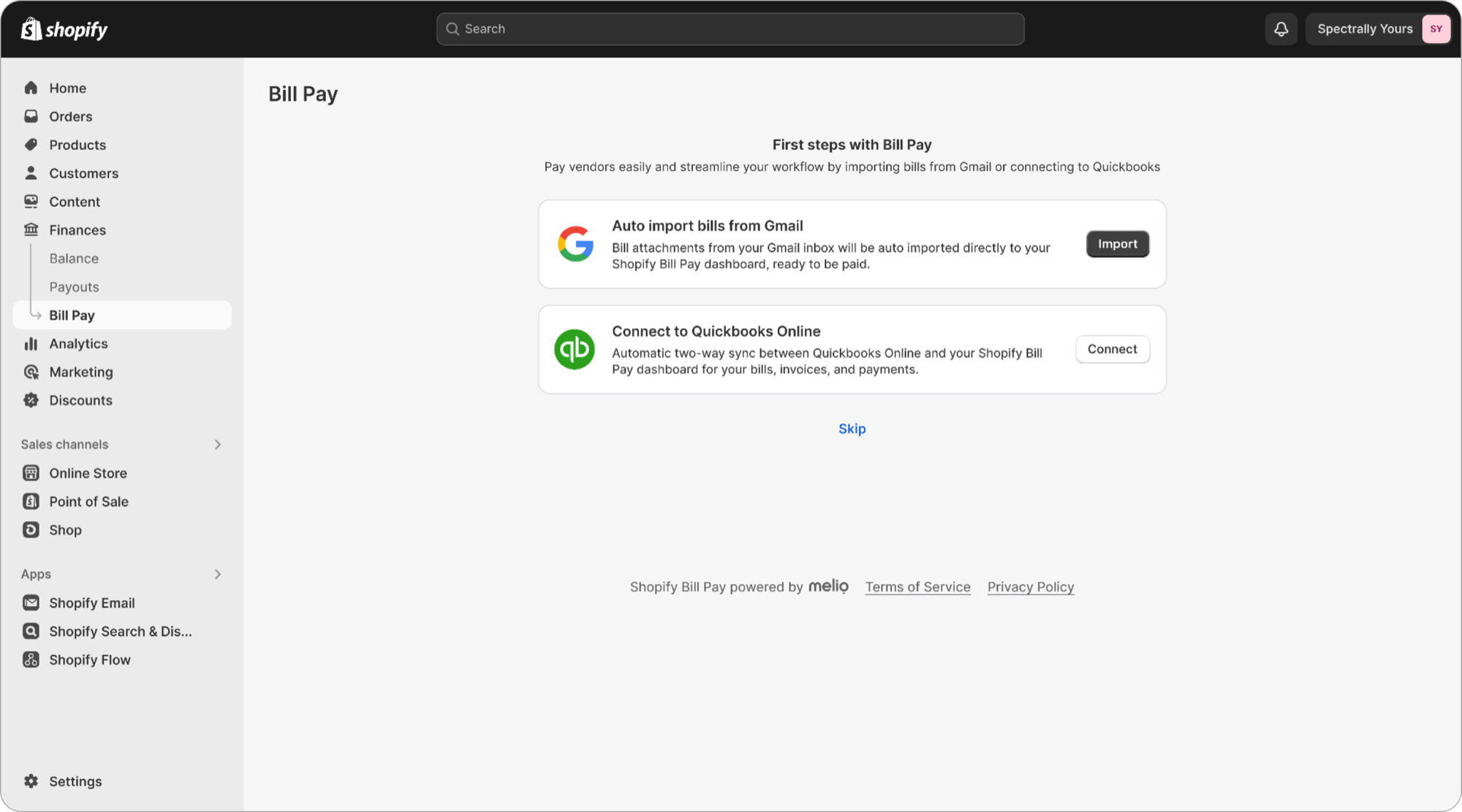
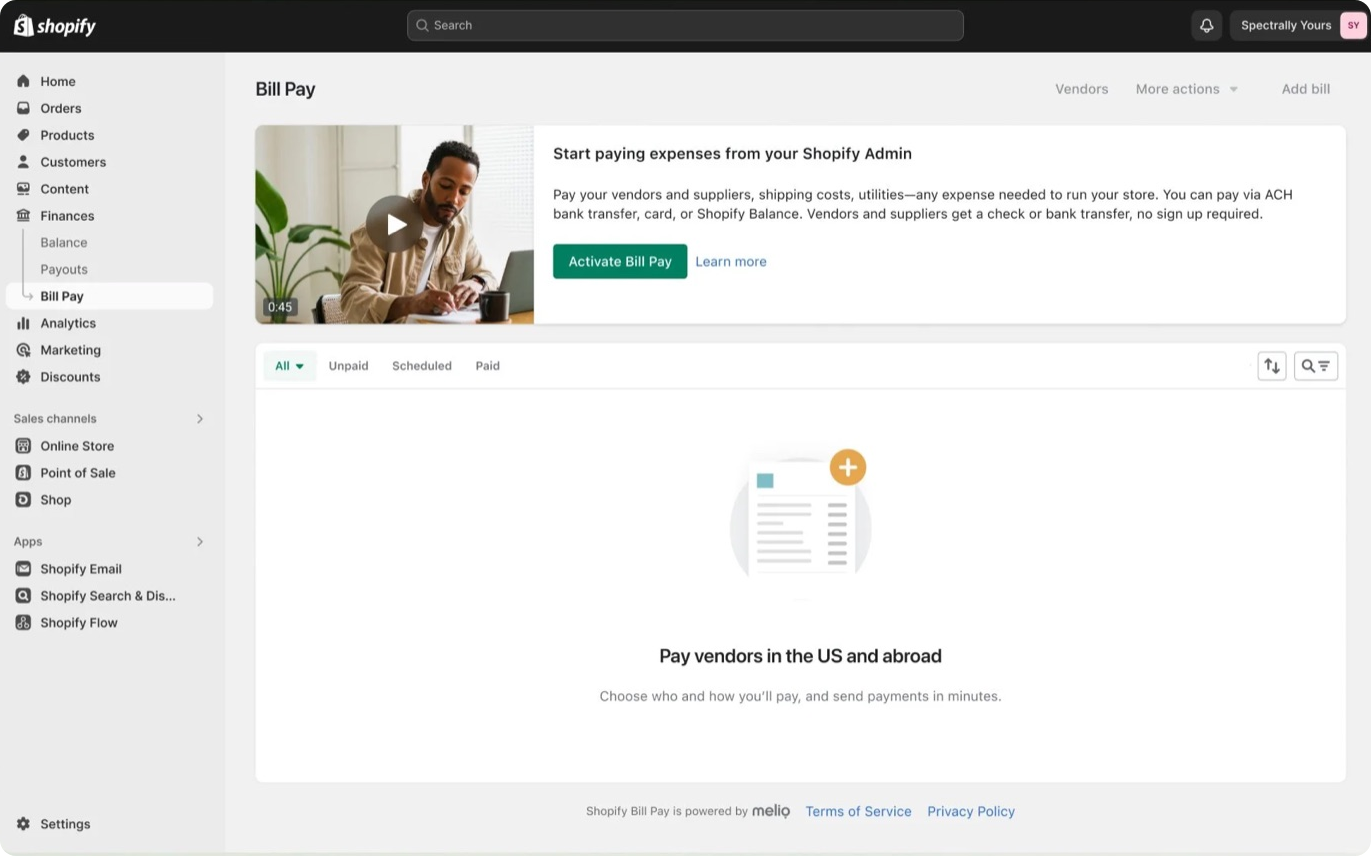
Over several months we tested the empty state. Gmail sync connects a merchant's inbox, imports bill attachments and keeps fetching new ones within seconds.
Results
Merchants connected their inboxes.
Gmail sync funnel
The first 3 steps of the funnel. Share of merchants who saw the entry point.
We called 10+ merchants with nothing fetched to check we hadn't missed anything. They had no open bills yet. Bills come in over time, so new bills arriving in the inbox should be a stronger hook than the first import.
We tracked onboarded users, completed payments, bills created and monthly active users from launch.
Phase 2
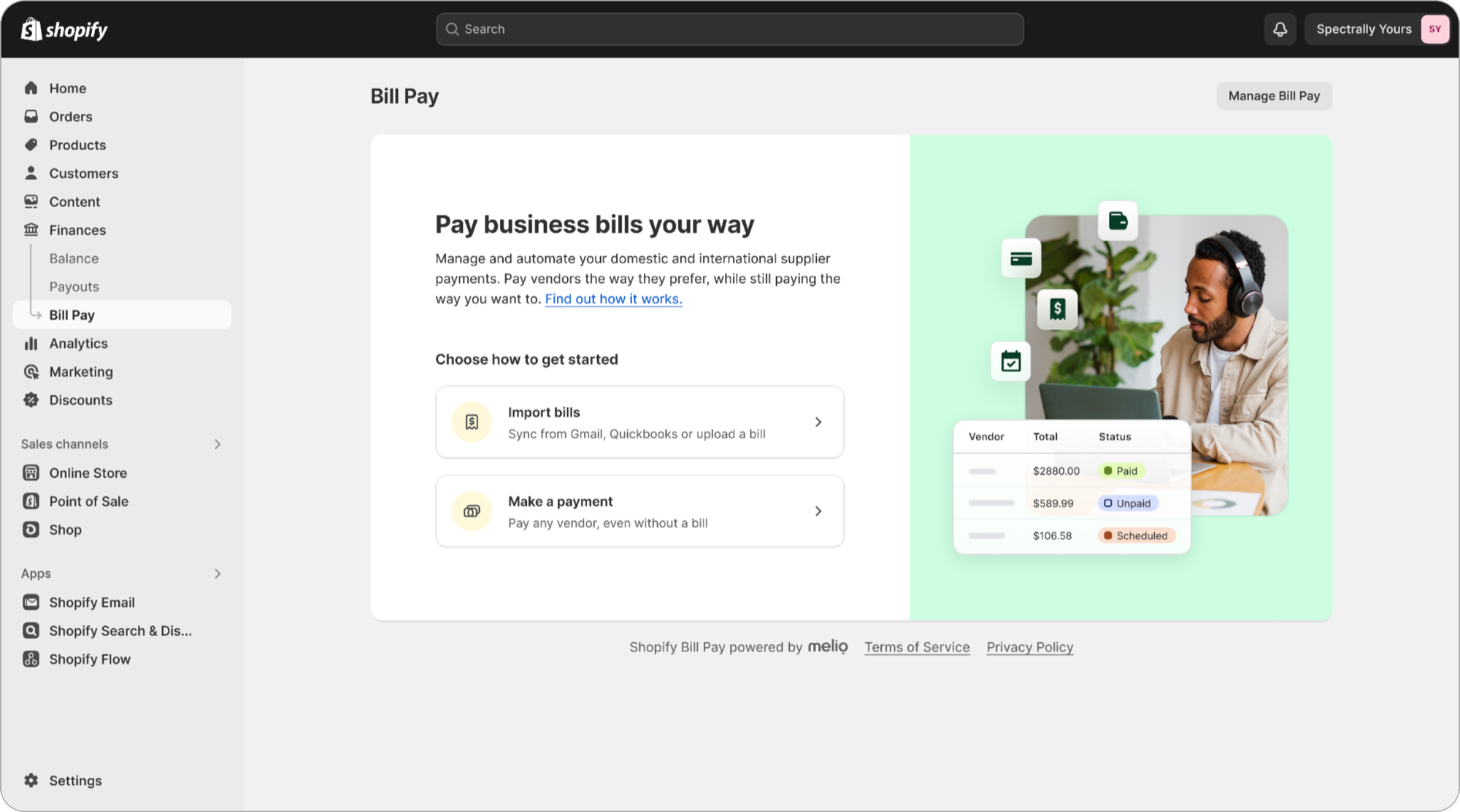
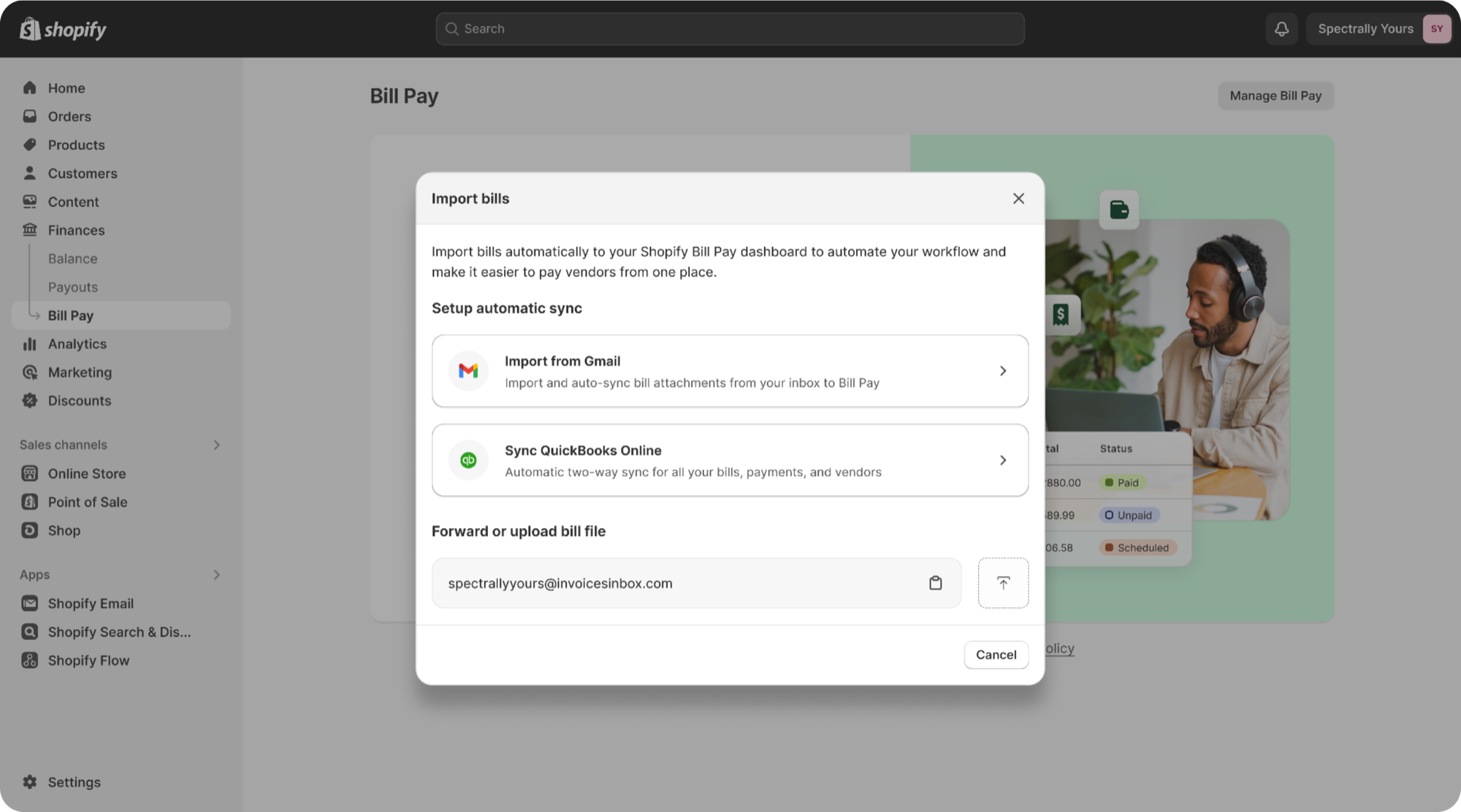
A first-time experience that sells automation.
Phase 2 introduces new merchants to every way Bill Pay captures bills on its own.
As a manager
What success looked like.
Phases, design ahead of dev and weekly status kept the date we set with Shopify.
The 3 gates caught problems before Shopify's reviews did.
Owning a phase in a pair, with a growth plan behind it, gave designers real scope. Promotions followed.
They presented their own work to Shopify every week, and the partner trusted them to.
Looking back
What I'd do differently.
Compliance in the first flow map
Compliance, risk and legal reviewed everything that touched money. I'd bring them into the first flow map, not only the reviews before launch.
Measure the whole funnel from day 1
We judged Gmail sync by its first import, but the real hook is new bills over time. I'd set the long-term metrics before launch.
Rotate the pairs once
Each pair went deep on its phase. Rotating them once would have spread that knowledge, and the growth, across the whole team.